In an increasingly demanding corporate real estate market, a prime location is no longer enough to guarantee a property's appreciation. Established buildings, even those in premium areas, need to keep pace with evolving companies, technologies, and new occupancy standards.
In this context, retrofit emerges as a repositioning strategy for real estate assets one capable of extending a property's useful life, restoring its competitiveness, and creating new opportunities for value appreciation.
More than a renovation, retrofit involves an integrated vision of engineering, architecture, operations, and market strategy. When strategically planned, it allows buildings to be modernized with less time and investment impact compared to new construction, while preserving key assets such as location, structure, and architectural identity.
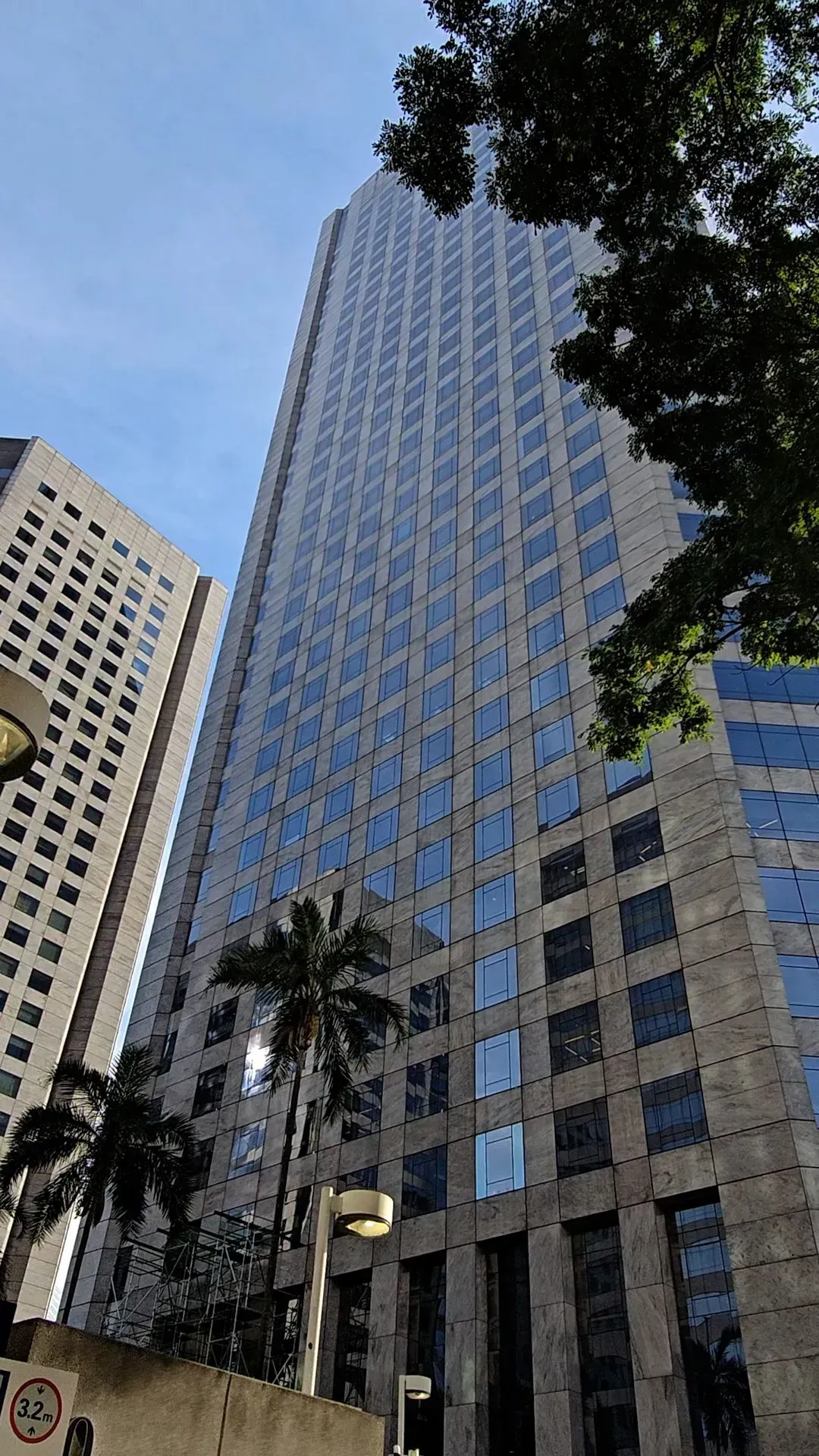
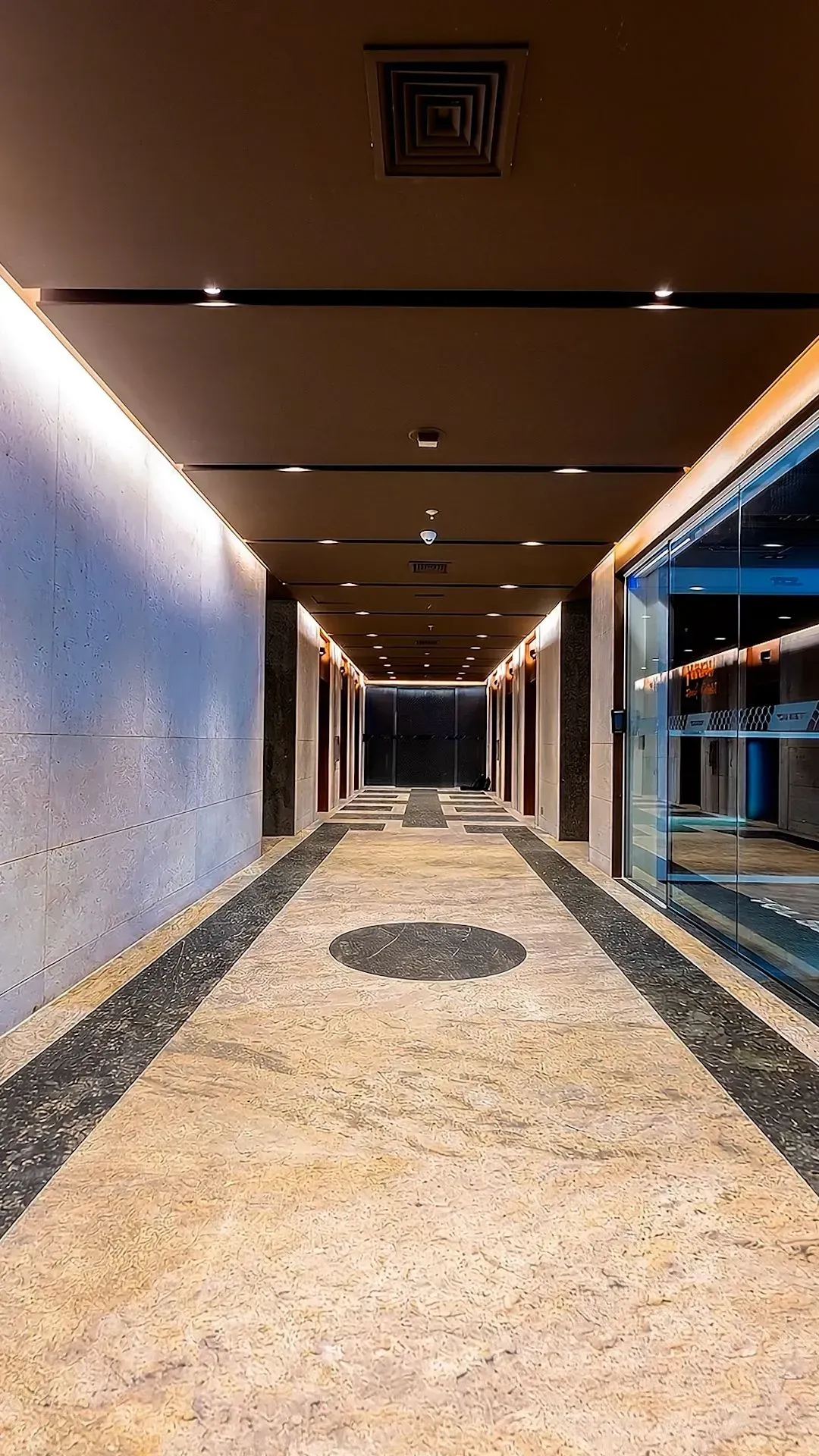
The Three Strategic Pillars of Corporate Retrofit: Time, Financial Efficiency, and Asset Appreciation
1. Speed of asset repositioning
New developments involve long cycles of approval, development, and execution. Retrofit makes it possible to leverage existing structures and accelerate the delivery of a renovated building to the market.
This agility represents a competitive advantage: the asset generates value again in less time, reducing vacancy periods and creating new occupancy opportunities sooner.
2. Financial efficiency: balancing investment and return
The decision to retrofit involves a strategic analysis between CAPEX and OPEX.
Modernizing building systems, upgrading technology, improving operational efficiency, and reconfiguring spaces can reduce future operating costs and make the property more attractive to companies seeking efficient, sustainable environments prepared for new ways of working.
3. Perceived value and asset appreciation
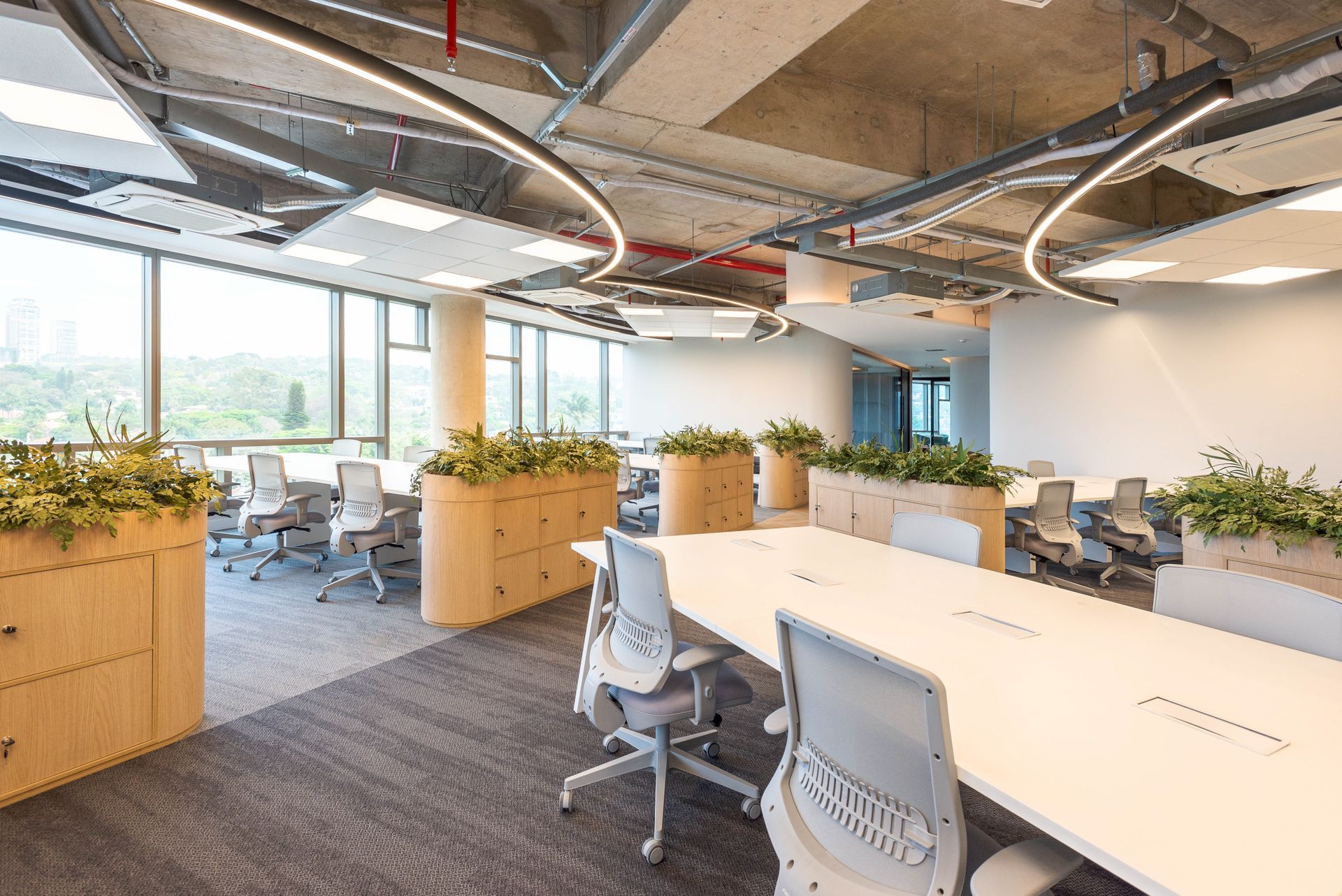
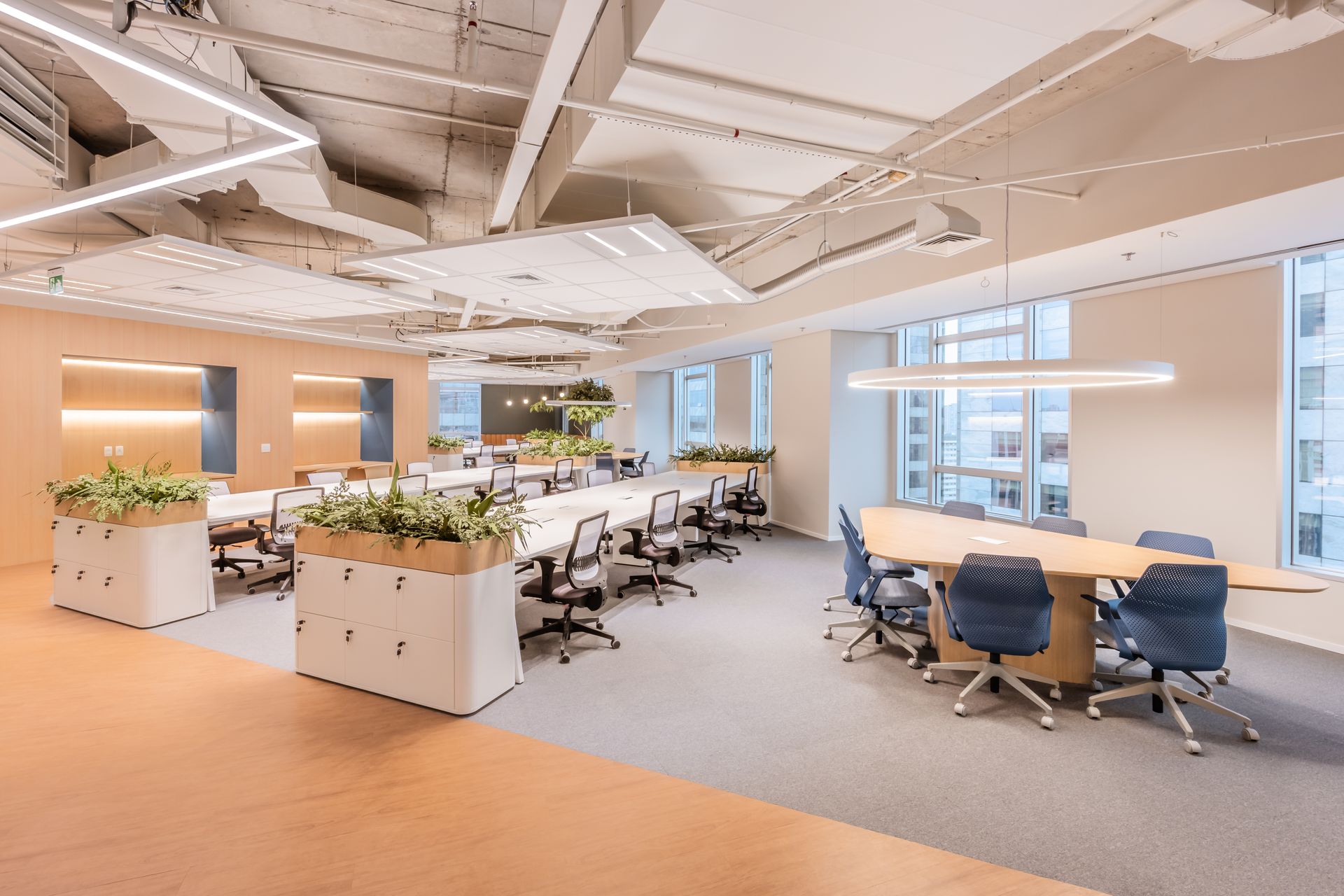
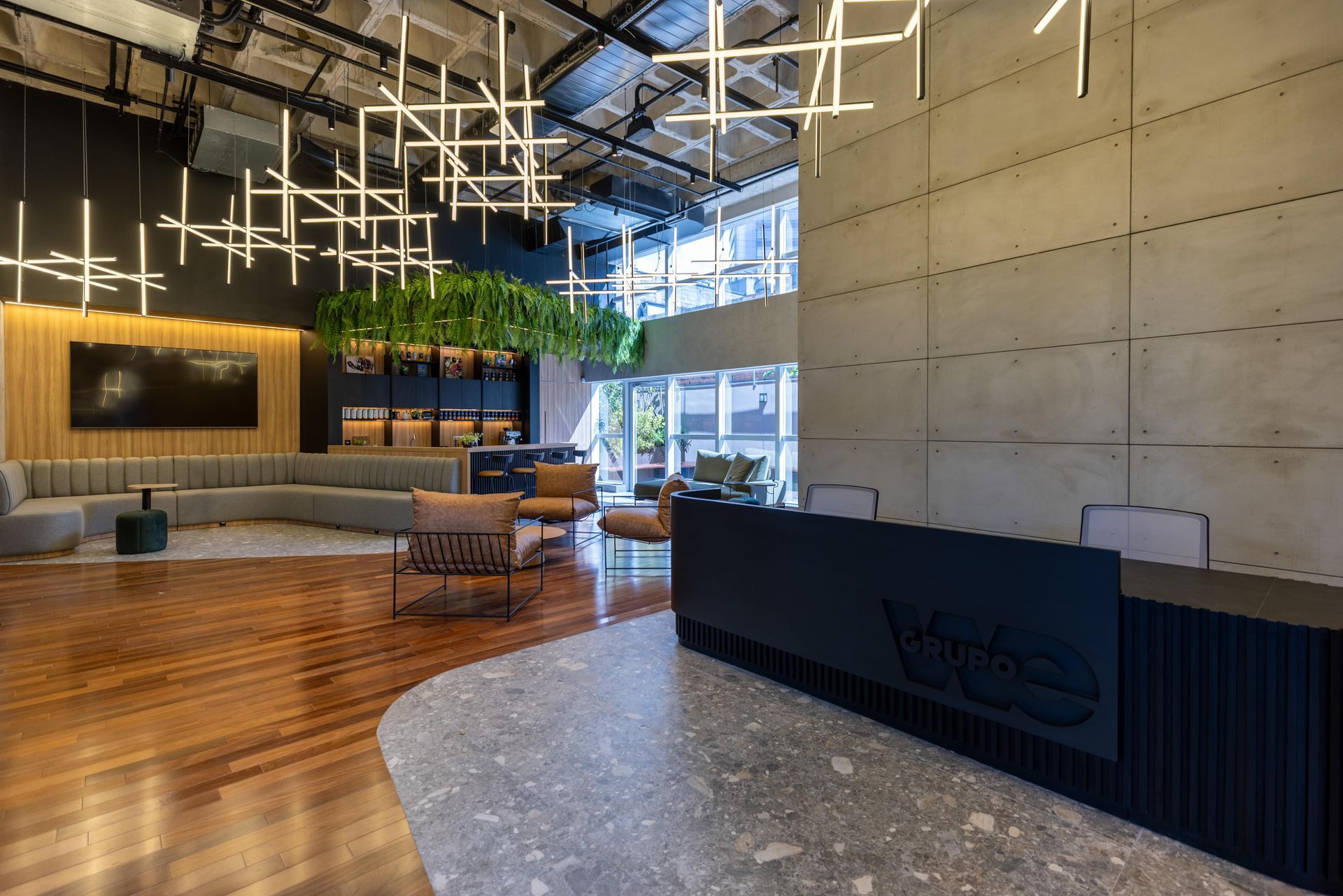
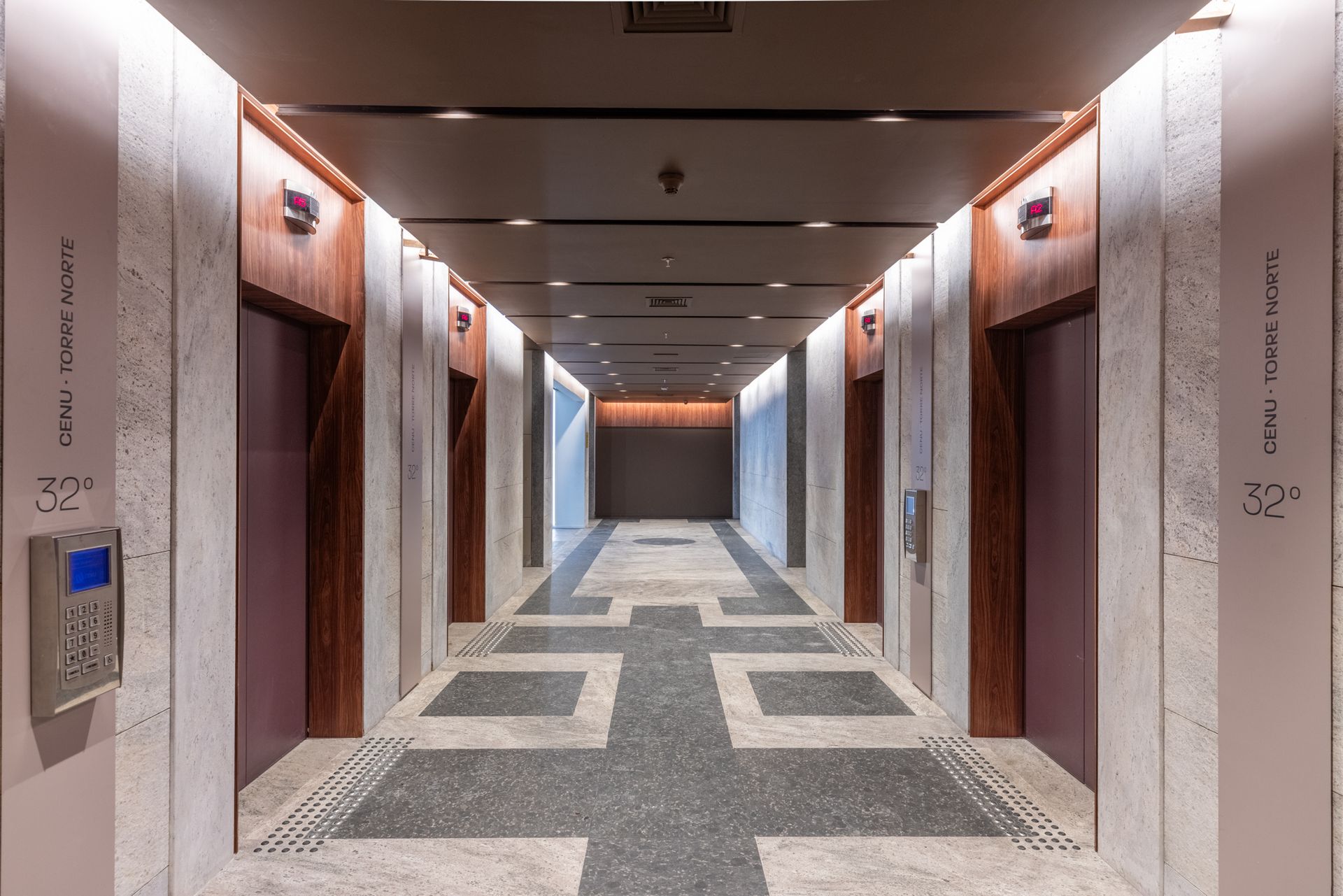
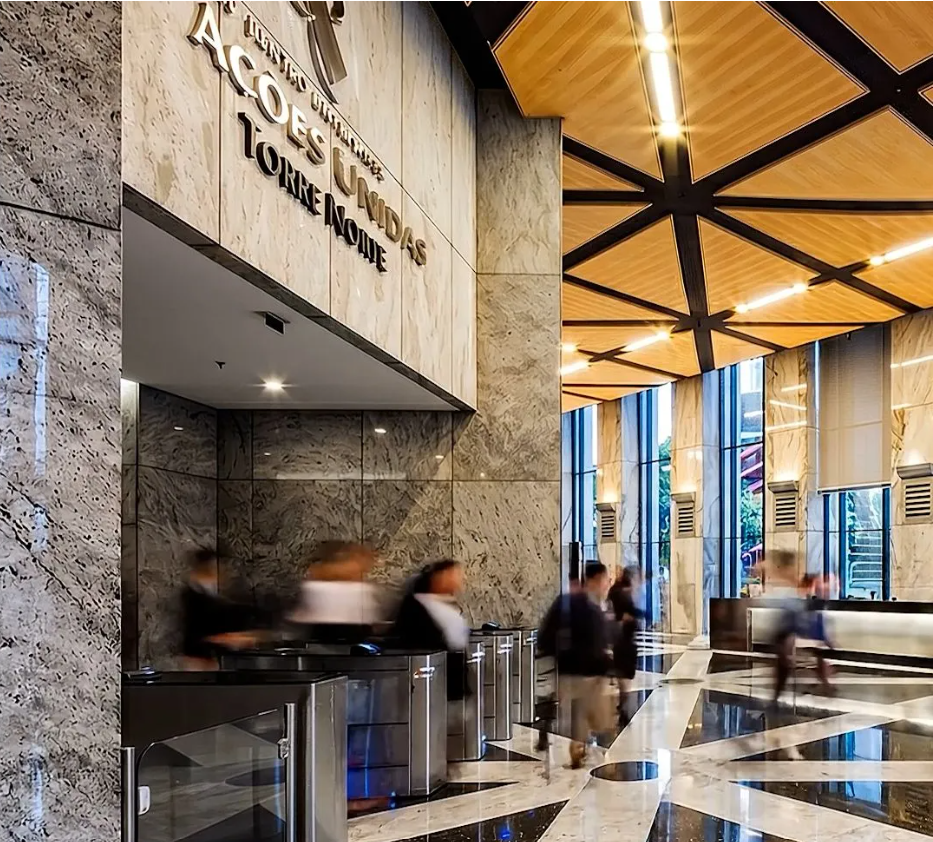
In the premium corporate market, user experience directly shapes how a property is perceived. Areas such as the lobby, reception, elevators, common areas, and social spaces are key touchpoints in building the property's image. Materials, lighting, technology, and design all help reposition the asset to meet new standards of quality and expectation.
An updated building conveys modernity, security, and efficiency attributes increasingly valued by companies and investors alike.
The Future of Corporate Assets Lies in Repositioning
Retrofit represents an evolution in how we think about real estate: it's not just about renovating spaces, but about preserving and enhancing existing assets.
Projects like the retrofit of the common areas at CENU Torre Norte show that it's possible to transform large corporate developments with minimal impact on the operations of occupying offices.
This is one of the great challenges of contemporary engineering: carrying out complex interventions in active buildings while ensuring safety, rigorous planning, and minimal disruption to users' daily routines.
At CH3 Construtora, we combine technical management, executive planning, and experience in high-end corporate construction to transform existing assets into properties ready for the future.
Repositioning a building is more than modernizing its structure. It's about restoring its relevance, strengthening its market value, and expanding its competitive potential.
Schedule a strategic meeting and discover the CH3 Construtora standard.
LATEST PUBLICATIONS